

Table of Contents
- What Makes a Heavy Duty Cotton T-Shirt Worth Buying
- Heavyweight vs Midweight vs Lightweight: A Comparison Table
- Our Top Picks for Heavy Duty Cotton T-Shirts
- How to Wash Heavyweight Cotton Shirts Without Shrinking
- Cotton T-Shirt Fabric Weight Guide: GSM, Weave, and Hand Feel
- Breathability vs Weight: What to Know Before You Buy Heavy Duty Cotton T-Shirts
- Conclusion: Choose Heavy Duty Cotton That Lasts
- Frequently Asked Questions
Last Updated: October 4, 2026
What Makes a Heavy Duty Cotton T-Shirt Worth Buying
When you buy heavy duty cotton t-shirts, you are paying for fabric density, stitch quality, and a print that survives real work.
Most shoppers judge a shirt by how it feels on the rack. That is the wrong test. A thin tee can feel soft and still fall apart by August.
GSM and Fabric Weight: The Numbers That Matter
GSM (grams per square meter) is the metric that tells you how much cotton is packed into a square meter of fabric. Higher GSM means a denser, heavier cloth.

Here is how the ranges break down:
- Lightweight: roughly 4.0 to 4.5 oz per square yard. Thin, drapey, prone to showing wear.
- Midweight: roughly 5.0 to 5.5 oz. The everyday standard for most graphic tees.
- Heavyweight: 6.0 oz and up. Dense, structured, and built to hold shape.
The Fox Tee uses the Comfort Colors 1717, a heavyweight 6.1 oz garment-dyed cotton. That single number explains why it feels substantial in the hand and why the shoulders stay put after a wash cycle. Our other tees run on the Bella Canvas 3001, a lighter blank chosen for comfort and print clarity. Neither is "better" in the abstract. They solve different problems.

Heavyweight vs Midweight vs Lightweight: A Comparison Table
The fastest way to choose is to match fabric weight to how you will actually wear the shirt. Use this table as a filter before you look at designs.
| Category | Typical Weight | Hand Feel | Best For | Trade-off |
|---|---|---|---|---|
| Lightweight | 4.0-4.5 oz | Soft, thin, drapey | Layering, warm weather | Wears out faster |
| Midweight | 5.0-5.5 oz | Smooth, balanced | Everyday wear, printing | Moderate shape retention |
| Heavyweight | 6.0 oz+ | Dense, structured, weighty | Work, outdoor use, long life | Warmer, slower to dry |
A midweight tee is the right call for most people most of the time. Heavyweight earns its keep when the shirt has to survive a jobsite, a boat, or a decade of Saturdays.
Our Top Picks for Heavy Duty Cotton T-Shirts
We build every design on blanks we would wear ourselves. Two of them carry the heavyweight load, and the rest run on a midweight cotton chosen for comfort and print quality. Here is how they stack up.
Fox Tee: The Heavyweight Workhorse
The Fox Tee is the one to buy if you want the heaviest cotton we offer. It sits on the Comfort Colors 1717: 6.1 oz, garment-dyed, pre-shrunk 100% ring-spun cotton with a relaxed fit. Garment dyeing gives it a broken-in feel straight out of the bag, so there is no stiff break-in period.
The relaxed cut runs roomy without going boxy, and the pre-shrunk construction means the shirt you pull out of the dryer is close to the one you put in. Size down if you want a slimmer silhouette.
19-Kilo: Built for the Long Haul
The 19-Kilo honors the Army's Abrams tank crewman, and the shirt carries the same no-nonsense attitude. It runs on the Bella Canvas 3001, a midweight cotton with tapered shoulders that hold their shape wash after wash. The DTF print is built not to crack, fade, or peel.
At $29.95, it is our most affordable tee and one of the most comfortable. Sizing runs true, so size up only if you want a relaxed fit.
Betsy Ross - Captain Parker: History You Can Wear
Captain John Parker's command on Lexington Green in 1775, paired with the Betsy Ross flag, makes this one of our most requested designs. It also sits on the Bella Canvas 3001, with a durable print engineered to survive repeated washing. True to size, XS through 4XL, and priced at $34.99.
Say When T-Shirt: Attitude and Durability
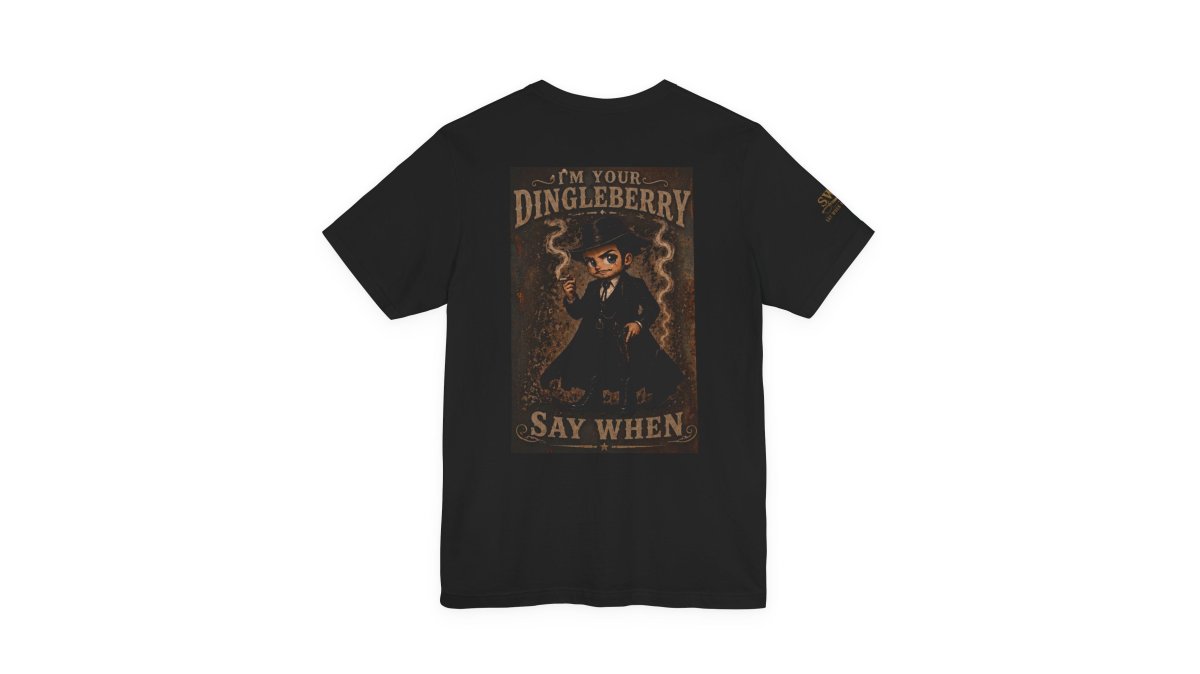
The Say When T-Shirt carries the line that gave us our name: an attitude, not just a phrase. Same Bella Canvas 3001 build, same shape-holding shoulders, same print that will not crack or peel. It is the everyday wearer in the lineup, and at $34.99 it earns its place in the rotation.
How to Wash Heavyweight Cotton Shirts Without Shrinking
Shrinkage is the number one complaint about cotton tees, and most of it happens in the first two washes. The fix is temperature control, not guesswork.
- Wash cold. Hot water is what pulls cotton fibers tight and shortens the garment.
- Turn the shirt inside out. This protects the print from abrasion against other clothes.
- Skip the heavy dryer cycle. Tumble low or hang dry. High heat is the second half of the shrinkage problem.
- Do not overload the machine. A packed drum causes friction that wears down the fabric surface.
- Wash with like colors. Garment-dyed cotton can bleed in the first few cycles.
Our pre-shrunk blanks start with less shrinkage risk than untreated cotton, but the care routine still decides how the shirt looks in year three.
Cotton T-Shirt Fabric Weight Guide: GSM, Weave, and Hand Feel
Fabric weight is only half the story. Weave and finish decide how a shirt feels and how it ages.
Jersey knit is the standard for t-shirts, a smooth single-knit fabric that takes print well and drapes cleanly. Ring-spun cotton spins the fibers into a tighter, smoother yarn, which is why it feels softer than standard cotton at the same weight. Garment dyeing dyes the finished shirt rather than the raw fabric, producing that lived-in texture and a color that fades gracefully instead of blotching.
Two shirts can both read "6.0 oz" and feel completely different. Stitch density at the hem and a ribbed neckline are the tells. A thick, ribbed collar resists stretching. A thin, single-stitch collar will wave within a season.
Breathability vs Weight: What to Know Before You Buy Heavy Duty Cotton T-Shirts
The most common myth about heavy duty cotton t-shirts is that heavier always means hotter.
Airflow through a knit fabric depends on two things working together: the size of the gaps between yarns and how tightly those yarns are packed. Weight (GSM) tells you how much cotton is in the fabric.
That is why the "heavy equals hot" rule breaks down in practice. What actually traps heat is weave density, not weight on its own.
How Weave Density Affects Airflow
- Open jersey knit: Larger gaps between yarns. Air moves through easily. Common in lighter, drapey tees but also possible in heavier constructions.
- Tight jersey knit: Smaller gaps. More structure, better print surface, but less passive airflow. This is where a heavyweight tee can feel warm in humid conditions.
- Ribbed or interlock knits: Different structure entirely. Ribbing stretches and recovers; interlock is denser and smoother on both faces. Neither is inherently more breathable than jersey, it depends on the yarn and gauge.
A 6.1 oz garment-dyed tee with an open knit will feel cooler in motion than a tightly knit 5.5 oz tee sitting still. The variable that changes the experience is the weave, not the number on the tag.
Matching Weight to Your Conditions
| Your Typical Day | Recommended Weight | Why |
|---|---|---|
| Air-conditioned shop or office | Heavyweight (6.0 oz+) | Structure and durability matter more than airflow |
| Mild climate, mixed indoor/outdoor | Midweight (5.0-5.5 oz) | Balances airflow and shape retention |
| Hot, humid outdoor work | Midweight, open knit | Airflow is the priority; heavy tight knits trap heat |
| Abrasive work (jobsites, boats, equipment) | Heavyweight | Abrasion resistance and structure outweigh warmth |
| Layering under a jacket | Midweight or lightweight | Reduces bulk and heat buildup |
The balance point depends on your day. If you work outdoors in a hot, humid climate, midweight is usually the smarter pick. If you want a shirt that survives abrasion and holds structure through heavy use, heavyweight pays off. Neither choice is wrong. Buying the wrong one for your conditions is.
Conclusion: Choose Heavy Duty Cotton That Lasts
The shirt that lasts is the one matched to how you actually wear it. Check the GSM, check the collar, and check the care instructions before you commit. That is how you stop replacing tees every season.
At Say When Outfitters, every design is printed on cotton we would wear through a real workday, from the heavyweight Fox Tee to the everyday Bella Canvas builds. Our tees carry original artwork rooted in American history and heritage, with prints built to hold up wash after wash. Browse the collection and find the design that fits how you live.
Frequently Asked Questions
What is considered a heavy duty cotton t-shirt?
A heavy duty cotton t-shirt typically uses fabric that weighs 6.0 oz per square yard or more, which translates to a higher GSM (grams per square meter). This extra weight gives the shirt a structured drape, better shape retention, and greater durability than standard 4.5 to 5.5 oz tees. You can spot them by their thicker hand feel, denser jersey knit, and often a ribbed neckline that holds its shape. Brands like Say When Outfitters offer heavy duty options such as the Fox Tee made with 6.1 oz garment-dyed cotton.
How does fabric weight affect the durability of a t-shirt?
Fabric weight directly influences how well a t-shirt resists wear from washing, stretching, and daily use. Heavier fabrics have more yarn per square inch, which means they hold their shape longer, resist pilling, and are less likely to develop holes. A 6.1 oz heavyweight cotton tee will outlast a 4.5 oz lightweight one under the same conditions. However, weight alone isn't everything: stitch density, collar thickness, and pre-shrunk treatment also play key roles in how long a shirt lasts.
How should you care for heavyweight cotton shirts to prevent shrinking?
Wash heavyweight cotton shirts in cold water on a gentle cycle and tumble dry on low heat or hang dry. High heat is the main cause of shrinkage in cotton, so avoiding hot water and a hot dryer will help preserve the fit. Turn the shirt inside out before washing to protect the print, and avoid using fabric softener, which can break down cotton fibers over time. If you must dry clean, do so sparingly. Following these steps keeps your heavy duty cotton t-shirts looking new for years.
Do heavy duty cotton t-shirts hold their shape better over time?
Yes, heavy duty cotton t-shirts generally hold their shape better because the denser fabric resists stretching at the neckline, shoulders, and hem. Features like a ribbed neckline and side seams further improve shape retention. For example, the 19-Kilo tee from Say When Outfitters uses Bella Canvas 3001 with tapered shoulders that maintain their form wash after wash. That said, proper care, like avoiding high heat and heavy loads, is still essential to keep the fit intact.
Are heavy duty cotton t-shirts better for outdoor activities?
Heavy duty cotton t-shirts offer excellent durability for outdoor activities like fishing, hiking, or working outside, but they are less breathable than lighter fabrics. In hot weather, a heavyweight tee may feel warmer because the denser weave traps more heat. If you run hot or plan intense activity, consider a midweight option. For cooler days or low-exertion outdoor wear, a heavy duty cotton tee provides reliable comfort and protection. The Great Blue Heron tee, for instance, suits early morning fishing trips where durability and warmth matter.


