

Table of Contents
- Understand Your Shirt's Care Label Before You Start
- Choose the Best Water Temperature for Washing Cotton Shirts
- How to Remove Stains from Cotton Shirts
- How to Prevent Cotton Shirts from Shrinking
- Select the Right Detergent and Washing Machine Cycle
- How to Dry Heavy Cotton Shirts Without Damage
- Preserve Color and Prevent Fading in Heavy Cotton Shirts
- Washing Heavy Cotton Shirts: Sorting and Setup
- Frequently Asked Questions
Last Updated: October 11, 2026
Understand Your Shirt's Care Label Before You Start
The care label is your first line of defense when learning how to wash heavy cotton shirts. That small tag sewn into the seam contains critical information about water temperature, cycle type, and drying method. Ignoring it is the fastest way to damage a quality shirt.
Heavy cotton holds more water, takes longer to dry, and shrinks unpredictably without proper care. Always read the manufacturer's care label before washing.
Look for these key details on the care label:
- Water temperature (cold, warm, or hot)
- Cycle type (gentle, normal, or heavy-duty)
- Drying instructions (air-dry, tumble-dry, or lay flat)
- Bleach warnings
- Iron temperature if applicable
Different dyes and finishes respond differently to water and heat. The label tells you what that specific shirt can handle.
Choose the Best Water Temperature for Washing Cotton Shirts
Cold water is the safest choice for washing heavy cotton shirts. It prevents shrinkage, protects color, and reduces fiber wear because it doesn't open up cotton fibers the way heat does.
Warm water is acceptable only for heavily soiled work clothes when the care label permits it, though it carries a small shrinkage risk.
Hot water should be avoided for heavy cotton shirts unless the label explicitly says it's safe. Heat causes fibers to swell, shrink, and weaken over time. Even one wash in hot water can permanently damage a quality shirt.
How to Remove Stains from Cotton Shirts
Stains set permanently when exposed to heat, so treat them before washing. The key is to act quickly and use the right method for the stain type.
Pre-treat Common Stains
Identify the stain before treating it. Different stains require different approaches.
For grass or mud stains, let mud dry completely, brush off loose particles, and rinse with cold water. For stubborn stains, apply a detergent paste, let sit 10 minutes, then rinse.
For grease stains, apply dish soap directly to the stain, work it in gently, let sit 5-10 minutes, then rinse.
For blood stains, always use cold water (hot water sets protein stains permanently). Rinse, apply a detergent paste, let sit 15 minutes, then rinse again.
Wash After Treatment
Once you've pre-treated the stain, wash the shirt in cold water using a gentle cycle. Check the stain before drying. If it's still visible, repeat the pre-treatment and wash again. Heat (including the dryer) will set any remaining stain permanently.
Never put a stained shirt in the dryer until you're certain the stain is gone. The heat will lock it in place, making it nearly impossible to remove later.
How to Prevent Cotton Shirts from Shrinking
Shrinkage happens when cotton fibers swell from water absorption and then contract during drying. Understanding this process helps you prevent it.
First Wash Expectations
New heavy cotton shirts often shrink slightly on the first wash, this is normal and expected. If your shirt fits perfectly before the first wash, expect it to be slightly snug afterward.
Wash new shirts in cold water on a gentle cycle and air-dry flat or on a hanger to minimize shrinkage. Some people intentionally pre-shrink new shirts by washing once in cold water and air-drying before wearing.
Ongoing Shrinkage Prevention
After the first wash, prevent further shrinkage by sticking to cold water and air-drying. Repeated heat exposure causes cumulative shrinkage over time.
If you must use a dryer, use the lowest heat setting available. Remove the shirt while it's still slightly damp and lay it flat to finish drying. This reduces heat exposure and shrinkage.
Select the Right Detergent and Washing Machine Cycle
The wrong detergent or cycle can damage heavy cotton faster than any other factor. Heavyweight fabrics behave differently from standard cotton in the washing machine, so generic advice often falls short.
Detergent Type and Amount
Use a mild, pH-neutral detergent designed for everyday fabrics. Avoid harsh detergents, heavy perfumes, and optical brighteners, which strip oils, irritate skin, and fade colors.
For heavy cotton, use about half the detergent the bottle recommends. Dense fabric retains detergent residue longer, causing stiffness and dullness if overused. If you notice stiffness or a soapy feel after washing, cut back further and add an extra rinse cycle.
Use liquid detergent rather than powder for cold water washing, as powder doesn't dissolve easily and leaves visible residue on heavyweight fabrics.
Load Size and Water Level
Wash no more than 4-5 heavy cotton shirts per load to allow proper water circulation and prevent detergent buildup.
Choose "high" or "full" water level for heavy cotton loads to ensure even detergent absorption and thorough rinsing.
Cycle Selection for Heavy Cotton
Use a gentle or delicate cycle for all heavy cotton shirts. Modern detergents work effectively at lower speeds.
A normal cycle is acceptable for work shirts that are heavily soiled, but use it sparingly. The heavy agitation wears fibers faster over time and can cause pilling on the surface of dense fabric.
Never use a heavy-duty cycle for cotton shirts. That setting is designed for towels and bedding, not apparel, and the intense agitation will weaken heavyweight cotton fibers within a few washes.
Spin Speed Considerations
After the wash cycle, the spin cycle removes excess water. For heavyweight cotton, use a medium or low spin speed rather than the maximum.
A medium spin (around 800-1000 RPM) removes enough water to speed drying without stressing the fibers. If your shirt comes out of the washer dripping wet after a low-spin cycle, that's normal, air-drying will still be faster than machine drying, and the gentler extraction protects the fabric.
How to Dry Heavy Cotton Shirts Without Damage
Drying is where many people ruin quality shirts. Heat is the enemy of cotton longevity, but so is improper air-drying technique. Heavyweight fabric dries slowly and can develop problems if you don't handle it correctly.
Air-Drying for Maximum Durability
Air-drying is the best option for heavy cotton shirts. It requires no heat and preserves the fabric completely.
Hang your shirt on a wide-shouldered wooden hanger in a well-ventilated area away from direct sunlight. Wooden hangers distribute weight evenly and prevent shoulder seam stretching.
Alternatively, lay the shirt flat on a clean, dry surface to dry.
Heavyweight cotton takes longer to air-dry than lighter fabrics, typically 24-48 hours depending on humidity and air circulation. In humid climates or during winter, drying can take 48-72 hours.
Preventing Mildew and Odor in Dense Fabric
Ensure good air movement to prevent mildew. After 24 hours, check seams, cuffs, and hems, these dry slower. If the shirt develops a musty smell, move it to a sunnier or more ventilated location; indirect sunlight kills odor-causing bacteria without fading color.
Reshaping While Drying
As heavyweight cotton dries, it can lose its shape if left unsupervised. After 12-18 hours of drying, check the shirt and gently reshape it if needed. Smooth out the shoulders, straighten the sleeves, and ensure the front and back panels are hanging evenly. This takes 30 seconds and prevents the shirt from drying in a wrinkled or distorted form.
If laid flat, flip the shirt halfway through drying to prevent moisture pooling and ensure even drying.
Machine Drying Considerations
If you must use a dryer, use the lowest heat setting available, often labeled "low" or "delicate dry." Remove the shirt after 20-30 minutes while it's still slightly damp.
Never use high heat or even medium heat. Even a single cycle on medium heat causes shrinkage and weakens fibers. If you use the dryer, plan to remove the shirt early and finish air-drying.
If your dryer has a moisture-sensor setting, use it. This automatically stops the cycle when the shirt reaches a damp state, preventing over-drying.
Troubleshooting Stiffness After Drying
If your heavyweight shirt feels stiff or cardboard-like after drying, the cause is usually detergent residue or mineral buildup from hard water. This is not permanent damage.
Wash the shirt again using half your normal detergent amount and add an extra rinse cycle.
Alternatively, gently hand-wash the shirt in cool water with a small amount of mild detergent, rinse thoroughly three times, and air-dry. This resets the fabric and often restores softness.
Preserve Color and Prevent Fading in Heavy Cotton Shirts
Color fading happens when dyes break down from exposure to light, heat, and water. Minimize fading by controlling these factors.
Wash in cold water every time to keep fibers closed and dyes locked in place. Wash dark colors and printed designs inside-out to protect the dyed surface from friction. Avoid direct sunlight when drying. Wash less frequently when possible, if a shirt isn't visibly soiled, air it out instead.
Washing Heavy Cotton Shirts: Sorting and Setup
Proper sorting prevents color bleeding and cross-contamination. This step takes two minutes and saves your shirts.
Sort by Color
Separate dark colors from light colors before washing, as dark dyes can bleed onto light fabrics on the first wash. Sort into three piles (dark, light, white) and wash separately for the first few washes of new shirts.
Heavily soiled work clothes should be washed separately from regular casual wear. Dirt and stains can transfer to other garments in the same load.
Turn Inside Out
Turn shirts inside-out before washing to protect the outer surface from friction and fading, especially for printed designs and dark colors.
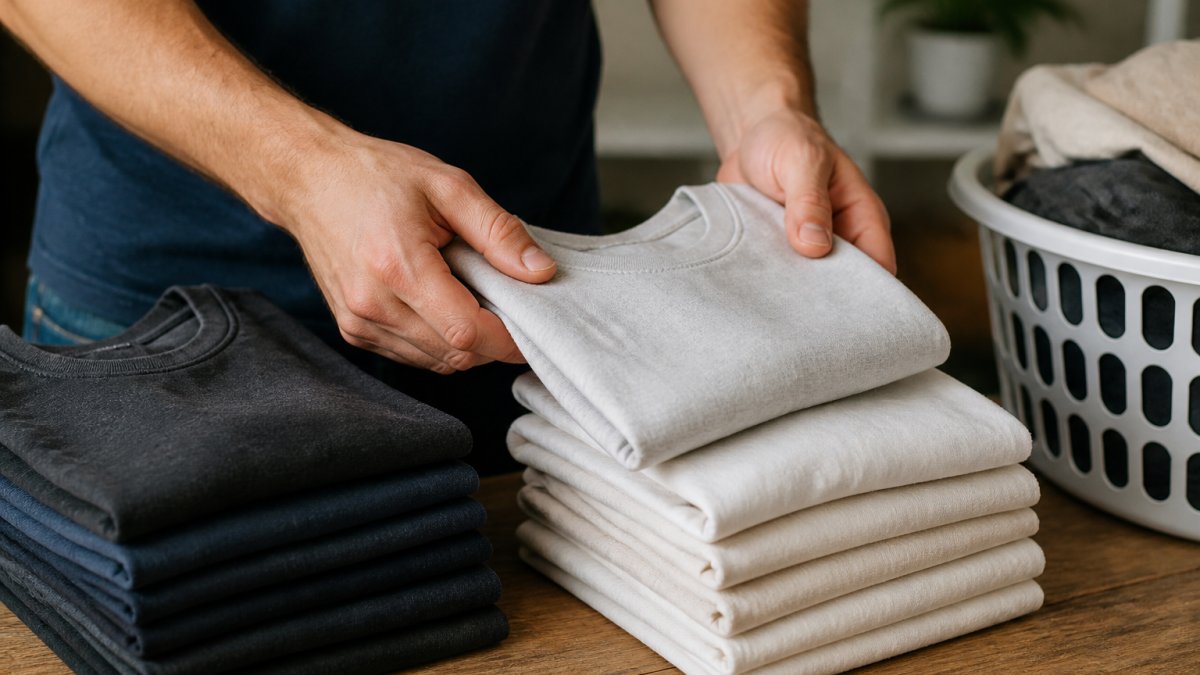
Washing heavy cotton shirts correctly isn't complicated, but it does require attention to detail. Start with the care label, stick to cold water and air-drying, and your Say When Outfitters heavyweight shirts will maintain their color, fit, and durability through years of real-world wear.
Frequently Asked Questions
Does 100% cotton shrink when you wash it?
Yes, heavy cotton shirts typically experience some shrinkage during the first wash, especially in hot water. Most shrinkage occurs in the first 1-2 washes. To minimize this, wash in cold water and avoid high heat drying. Pre-shrinking by washing in warm water before regular wear can help stabilize the fabric. Check your care label for specific guidance, as some cotton blends shrink less than others.
What is the best water temperature for washing cotton shirts?
Cold water is ideal for washing heavy cotton shirts, as it prevents excessive shrinkage and color fading. Warm water can be used for heavily soiled items, but avoid hot water unless your care label specifically allows it. Cold water also reduces fabric stress and helps preserve the integrity of thick cotton over time. Always follow the temperature range listed on your shirt's care label for best results.
Can you use dish soap to remove stains from cotton shirts?
Yes, mild dish soap like Dawn can work for treating stains on cotton shirts before washing. Apply a small amount directly to the stain, gently rub it in, and let it sit for 10-15 minutes before rinsing. However, specialized stain removers or white vinegar are often more effective for specific stain types. Always test on a hidden area first, and rinse thoroughly to prevent soap residue from setting the stain during washing.
Should you wash heavy cotton shirts inside out?
Yes, turning heavy cotton shirts inside out before washing helps protect the outer surface from fading and agitation damage, especially important for printed or dyed designs. This practice preserves color vibrancy and reduces wear on the fabric's exterior. After turning inside out, zip any zippers, close any buttons, and wash with similar colors to prevent dye transfer and maintain the shirt's appearance over multiple washes.


